HTR's Free Energy Savings Calculator
Windows are responsible for a significant share of residential heat loss across Canada (especially in older homes). Our Energy Savings Calculator uses ENERGY STAR benchmarks and Canadian climate data to give you a credible, home-specific savings estimate before you spend a dollar.
Based on ENERGY STAR certified performance benchmarks
Accounts for your province’s heating season and energy costs
Compare single-pane and double-pane scenarios
See estimated annual savings and investment payback timeline
Free to use, no commitment required
Energy Savings Calculator


Old Windows Cost More
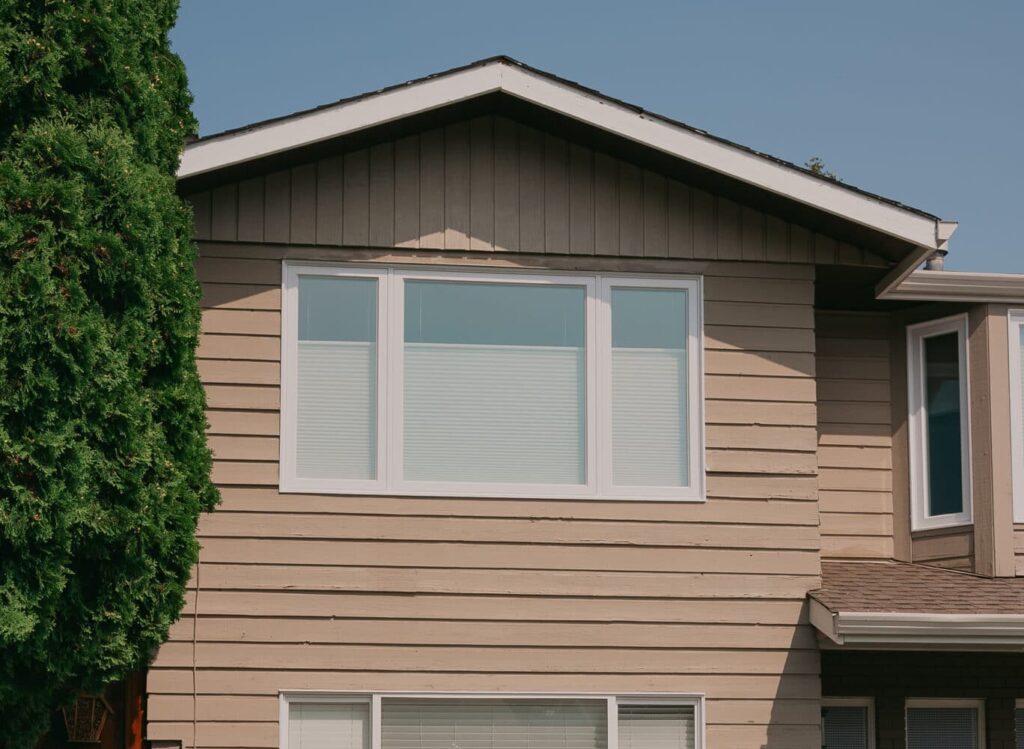
Here’s something most homeowners don’t know until they see it in writing: windows are responsible for up to 25–30% of home heat loss, according to Natural Resources Canada. That’s not a small number. For a home with an average heating bill of $2,000 per year, that could mean $500–$600 walking out through the glass annually. Why does this happen?
- U-factor. The lower the number, the less heat escapes. Single-pane windows have a U-factor of around 5.0, while triple-pane windows are around 0.80.
- Drafts. That cold feeling near the window in January is air leaking through failed seals or warped frames. Air leakage quietly adds to your heating bill every month of the heating season.
- Glass layers. Single-pane windows offer minimal insulation, while double or triple-pane ones with Low-E coating and argon gas eliminate most conductive and convective heat loss.
One of the key factors to consider when calculating energy savings is the climate zone. ENERGY STAR rates Canadian windows across Zones 4–7. Homes in Ontario, Alberta, New Brunswick, and Nova Scotia fall in Zones 5–7, the range where window performance has the greatest impact on comfort and costs. Our calculator accounts for your specific zone, so you get an estimate that’s relevant to your address.

How We Calculate Your Energy Savings
Generic window savings tools use national averages that often have little relevance to a home in Edmonton versus one in Halifax. Our calculator is built around eight home-specific variables and cross-referenced against ENERGY STAR Canada’s climate zone methodology. This means the number you see actually reflects your home.
- City — Climate zone and regional weather patterns
- Home square footage — Your home’s total thermal load
- Existing window type — The U-factor and air leakage baseline of your current windows
- Existing SHGC — How much solar heat your current windows pass through
- Heating/cooling — The cost profile of your current heating/cooling setup
- Energy/electricity rate — Current provincial pricing
That said, every home is different. Results are directional estimates. Actual savings will vary based on insulation, home construction, and your usage patterns.

Average Window Energy Savings Across Canadian Homes
The table below summarizes typical annual energy savings and payback periods for the most common window upgrade scenarios in Canada. Figures are based on ENERGY STAR Canada benchmarks and average provincial energy and electricity rates for a standard single-family home.
| Upgrade | Avg. Annual Savings | Payback Period |
|---|---|---|
| Single → Double Pane (ENERGY STAR) | $150–$350/yr | 7–12 years |
| Double → Triple Pane | $80–$200/yr | 8–15 years |
| Full home replacement (10 windows) | $400–$900/yr | 6–10 years |
*Note: Figures based on the average Canadian home, natural gas heating, Zone 5 climate.
These ranges are a starting point. To see where your home sits within them, and what your specific upgrade scenario would return annually, run your details through the Energy Savings Calculator above. It takes less than two minutes and gives you a number built around your home.
Windows Replacement Cost Calculator
Now that you know how much you could save on energy, the next question is: what will the upgrade cost? HTR’s free Windows Replacement Cost Calculator gives you an instant budget estimate based on window style, location, and size, no sales call required.
Use both tools together to get the full picture: your projected savings on one side, your estimated investment on the other. That’s everything you need to make a confident, informed decision about your window replacement project.


Energy Efficient & Certified Expertise
Our certified window company guarantees energy efficiency and long-lasting performance with top-quality windows and doors that comply with Energy Star and Energy Star standards. You can review our catalogue to learn more!
Insulating Glass Technology
We manufacture, install and service high quality, energy efficient doors and windows. We want to help you get one step closer to your dream home — starting with improving the comfort and value of your home with new windows and doors.


HTR Windows & Doors Full Product Warranty
We show the quality of our work instead of just talking about it. With the premium materials we use and precise window installation, you won’t need to worry about your windows’ durability. However, for peace of mind, we provide a complete product warranty.
Why New Windows?
Window replacement is not just a whim but a necessity. Here are just a few more reasons why./


Energy Savings Calculator FAQ
Haven’t got your answer? Contact our support now
